Compare Local Contractors for Interior Stairs Installation
Compare local contractors for interior stairs installation to define scope, verify experience, and establish clear expectations, ensuring a smooth and successful project.
Interior stairs installation projects typically encompass a range of tasks including designing, building, and fitting staircases that complement the interior layout of a property. This work may involve selecting appropriate materials, ensuring structural stability, and coordinating with other interior elements such as flooring and railings. Proper planning and clear communication about the scope of work help property owners achieve a finished product that aligns with their aesthetic preferences and functional needs, whether it’s a simple straight staircase or a more complex spiral or custom design.
Defining the scope of interior stairs installation is essential for setting realistic expectations and ensuring that both property owners and contractors are aligned on the work to be performed. A well-defined scope includes details about the style, materials, dimensions, and any special features or finishes. Clarifying these aspects in writing helps prevent misunderstandings and provides a clear reference point throughout the project. It also facilitates more accurate comparisons between different service providers, enabling property owners to evaluate which local contractors have experience with similar projects and can meet the specified requirements.
When comparing local contractors for interior stairs installation, property owners should consider experience with similar projects, the range of services offered, and the level of professionalism demonstrated during initial consultations. It’s helpful to review portfolios or references that showcase past work, and to verify that contractors understand the scope of work outlined. Asking for detailed descriptions of how they approach design, material selection, and installation processes can also provide insight into their expertise. By thoroughly evaluating these factors, property owners can identify service providers who are capable of delivering quality results that meet their specific interior design and structural needs.
Compare local contractors by outlining project priorities, verifying experience, and setting clear expectations in writing.
- Compare Contractor Credentials - Review the experience and reputation of local contractors to ensure reliable interior stair installation.
- Define Project Scope Clearly - Establish detailed project requirements and expectations in writing before work begins.
- Verify Experience and References - Confirm contractors have relevant experience and request references to assess their work quality.
- Ensure Written Agreements - Document all project details, including scope, materials, and responsibilities, to prevent misunderstandings.
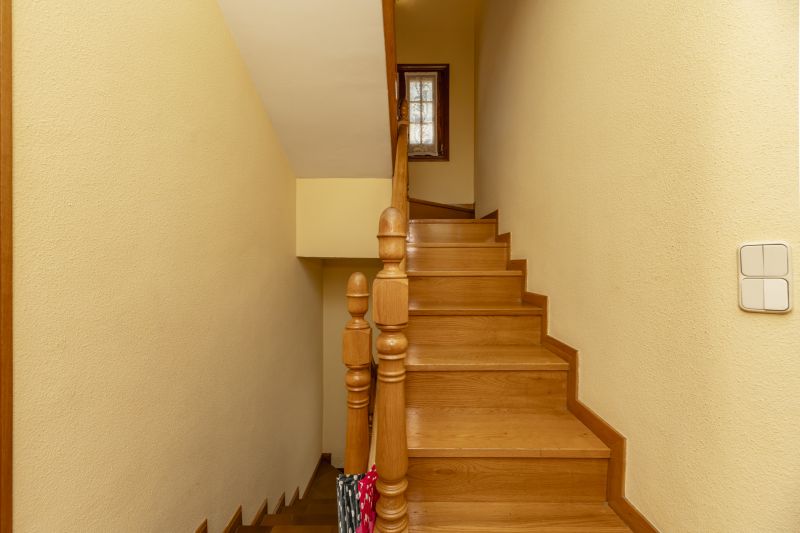
Clearly describe your interior stairs project to help compare contractors, define scope, verify experience, and set expectations in writing.
- Verify the contractor’s experience with interior stair installation projects similar in scope and style. - Ensure the service provider clearly defines the scope of work and materials included in the project agreement.
- Compare multiple local contractors to assess their expertise and approach to interior stair installation. - Look for detailed written proposals that outline project specifications and expectations.
- Check references or reviews to gauge the quality of previous stair installation work performed by the contractor. - Confirm that the contractor adheres to relevant building codes and safety standards.
- Discuss and document project timelines, milestones, and responsibilities to set clear expectations upfront. - Make sure all project details, including design choices and materials, are agreed upon in writing before work begins.
- Assess the contractor’s communication style and responsiveness to ensure smooth coordination throughout the project. - Ensure the service provider is transparent about their process and willing to answer questions regarding the installation.
Compare local contractors, verify experience, and clearly define scope to ensure smooth interior stair installation.

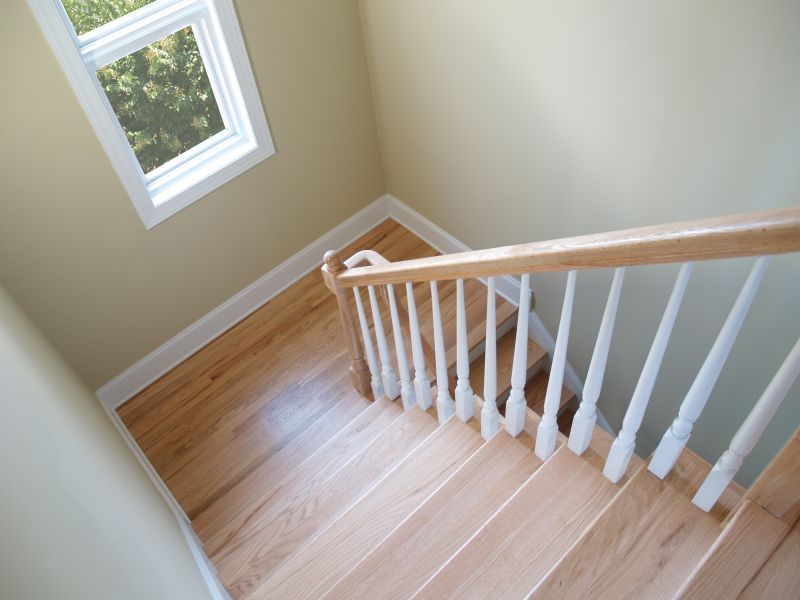
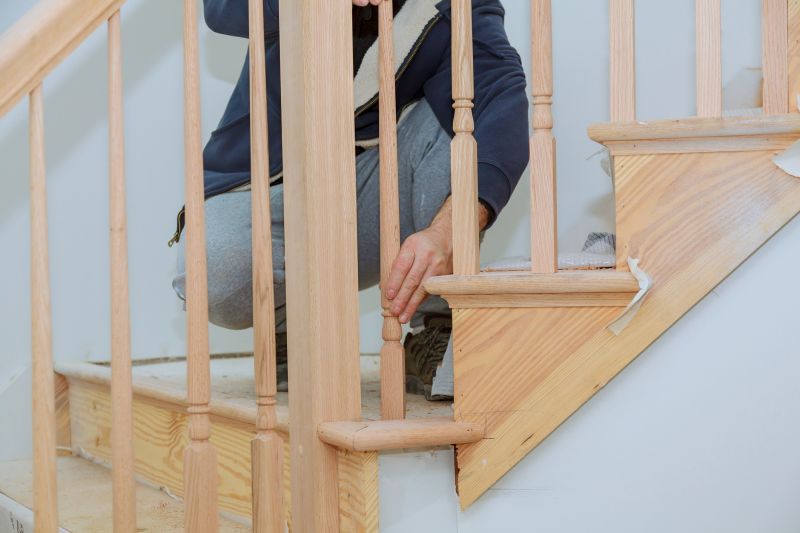
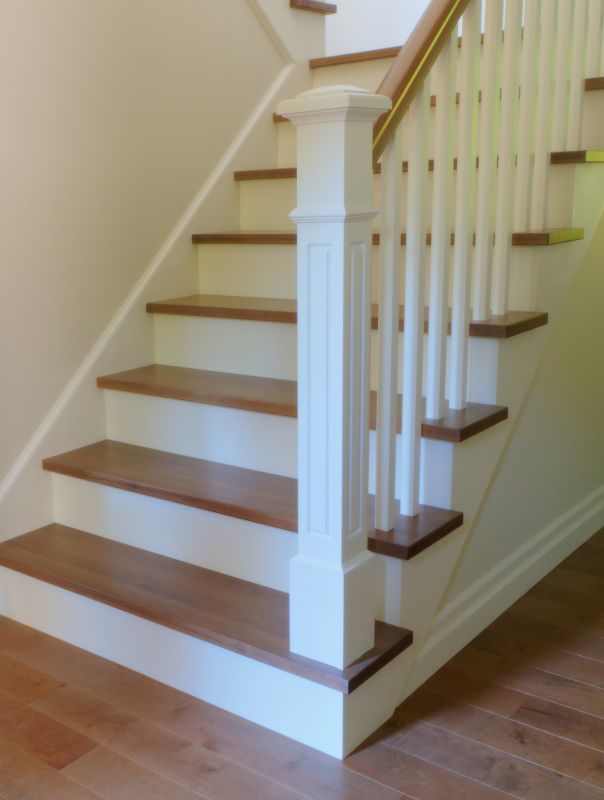
Use consistent comparison criteria to evaluate local contractors’ scope, experience, and written expectations for interior stairs installation.
- Scope Definition - Clearly outline the specific tasks and materials involved in the interior stairs installation project.
- Experience Verification - Confirm that local contractors have relevant experience with interior stair systems and design styles.
- Material Selection - Specify the types of materials to be used, including finishes, treads, risers, and handrails.
- Design Specifications - Establish detailed design requirements, including dimensions, style preferences, and safety features.
- Written Agreement - Ensure all project details, scope, and expectations are documented in a comprehensive written contract.
When evaluating contractors for interior stairs installation, it’s important to consider their experience with similar projects. Homeowners should inquire about the types of stairs they have previously installed, paying attention to the complexity and style of past work. Service providers with a proven track record in handling projects comparable in scope and design are more likely to deliver results that meet expectations. Asking for examples or references related to previous interior stairs projects can help gauge their familiarity with various materials, layouts, and finishing techniques.
A clear, written scope of work is essential for ensuring mutual understanding between the homeowner and the contractor. The scope should detail each aspect of the project, including measurements, materials, design specifications, and any specific requirements. Having this information documented helps prevent misunderstandings and provides a reference point throughout the project. Homeowners should verify that the scope covers all desired features and that it aligns with their vision, ensuring there are no ambiguities or overlooked details.
Verification basics involve confirming a contractor’s qualifications and background to ensure they have relevant experience and a solid reputation. It’s advisable to check references, review portfolios, and ask about their familiarity with local building codes and standards. While licensing and certification are not the focus here, understanding a contractor’s history of completed projects and client satisfaction can provide confidence in their ability to handle interior stairs installation effectively. Gathering this information allows for a more informed comparison of service providers.
When comparing options, homeowners should evaluate how well each contractor understands the project scope and their ability to communicate clearly. It’s helpful to ask how they plan to approach the work and to request a detailed proposal or outline of the process. Consider the professionalism of their responses, their willingness to address questions, and how thoroughly they explain their approach. By focusing on these aspects, homeowners can better assess which service providers are capable of meeting project needs and can work collaboratively to achieve the desired results.
Ask contractors to provide written scope details to ensure clear expectations and consistent project understanding.
- Experience and Portfolio - What experience do local contractors have with interior stairs installation and can they provide examples of past projects?
- Scope of Work - How do contractors define the scope of the stair installation project to ensure all aspects are covered?
- Materials and Design - What options do service providers offer for materials and design choices, and how are these clarified in the scope?
- Project Expectations - How should scope and expectations be documented to prevent misunderstandings during the installation process?
- Comparing Contractors - What criteria should be used to compare local contractors beyond their experience and scope definitions?
How can I compare interior stairs installation contractors? Review their portfolios, verify experience, and check references to ensure they meet project requirements and have a history of quality work.
What should I include in the scope of work for my stair installation? Clearly outline the type of stairs, materials, design preferences, and any specific features to help contractors provide accurate proposals.
How do I verify a contractor’s experience with interior stairs? Ask for examples of previous projects, request references, and confirm how long they have been performing stair installation work in your area.
Why is it important to have written agreements with my contractor? Written agreements clarify project scope, materials, responsibilities, and expectations, reducing misunderstandings during the work process.
What questions should I ask potential contractors during the selection process? Inquire about their experience, approach to projects, availability, and how they handle unexpected issues or changes during installation.
How can I ensure the contractor understands my interior stair design preferences? Provide detailed descriptions, sketches, or reference images to communicate your vision clearly and confirm mutual understanding before work begins.
Understanding the key aspects of interior stairs installation, including defining the scope of work, verifying the experience of service providers, and setting clear expectations in writing, can help ensure a smooth project process. Comparing different local contractors allows for better insight into available options and helps identify professionals who meet specific project needs. Using the quote form to explore and evaluate local service providers is a practical step toward making informed decisions.
By utilizing the quote form, visitors can easily compare multiple local contractors who specialize in interior stairs installation. This process helps clarify the scope of work and provides a way to assess each provider’s experience and approach. Taking the time to review and connect with these service providers can support finding the right match for the project’s requirements.